米国連邦緊急事態管理庁(Federal Emergency Management Agency:以降「FEMA」)のホームページでは、危機管理に関する様々な専門用語をglossary(用語集)としてまとめています。その用語集を参考に、前回に引き続き“洪水”に関する言葉について学習していきましょう。
1. Meeting National Flood Insurance Program (NFIP) requirements is the most cost-effective way to reduce the flood risk to new buildings and infrastructure.
出典:https://www.fema.gov/floodplain-management/manage-risk
インフラや新築ビルにとって、洪水リスクを減らす最も費用対効果の高い方法はNFIPの要求事項を満たすことです。
NFIP「米国連邦洪水保険制度」。自治体単位で加入し、洪水被害が発生した際には、連邦政府の保証のもと、被害者へ保険金を支払う保険制度。加入する自治体は、各種の洪水対策を講じる義務を負い、単に洪水被害者の救済だけでなく、洪水被害の防止・軽減も目的としています。
2. Base Flood
A flood having a one percent chance of being equaled or exceeded in any given year. This is the regulatory standard also referred to as the "100-year flood."
The base flood is the national standard used by the National Flood Insurance Program (NFIP) and all Federal agencies for the purposes of requiring the purchase of flood insurance and regulating new development. Base Flood Elevations (BFEs) are typically shown on Flood Insurance Rate Maps (FIRMs).
出典:https://www.fema.gov/about/glossary/b
基準洪水
年1%以上発生する可能性(年超過率)がある洪水のこと。規制基準であり、“100年洪水“とも言われます。基準洪水は、NFIPとすべての連邦機関が使う国の基準であり、洪水保険を購入する際の要求事項や新規開発の規制のために使用されます。基準洪水位は、一般的に洪水保険料率地図によって示されます。
regulatory standard 「規制基準」。100-year flood 「100年洪水」。数字と単語をハイフンでつなげている場合、後の名詞を修飾します。
for the purpose of ~ing 「~の目的で」。類義語表現としては“in order to+動詞の原形”があります。Flood Insurance Rate Maps (FIRMs):「洪水保険料率地図」。洪水危険度に応じた保険料率を地図化したもの。
3. Base Flood Elevation
The elevation of surface water resulting from a flood that has a 1% chance of equaling or exceeding that level in any given year.
出典: https://www.fema.gov/about/glossary/b
基準洪水位
年1%以上の発生確率(年超過率1%)の洪水(基準洪水)に達する際の水位のこと。
Elevationは「標高/高度」。water surface elevationで「水位」。flood elevation で「洪水の水位」。
4. Since 1971, the National Flood Insurance Program (NFIP) has required that:
Residential buildings have their lowest floor (including basement) elevated to or above the Base Flood Elevation (BFE).
Non-residential buildings must be elevated or dry floodproofed (in A Zones only) to the Base Flood Elevation (BFE)
出典:
https://www.fema.gov/floodplain-management/manage-risk/residential-buildings-basements
1971年以来、NFIPは以下を義務付けています。
住居建物の一番低い床(地下室を含む)はかさ上げ、もしくはBFE(基準洪水位)以上の高さがなければならない。
非住居建物は、(A Zoneに限り)かさ上げ、又は、基準洪水が建物に侵入しないような洪水に耐える対策をしなければならない。
have+目的語+過去分詞で「~をさせる」。elevateは動詞で「高くする」。ここでは文脈から「かさ上げ」とするのが自然。dry floodproofingでは「洪水の侵入を防ぎ、建物が濡れない(乾燥した)状態に保つ手段」という意味で動詞として使われています。対称語として、wet floodproofing があります。「かさ上げ」は、土台が水に触れているためwet floodproofing の一例となります。
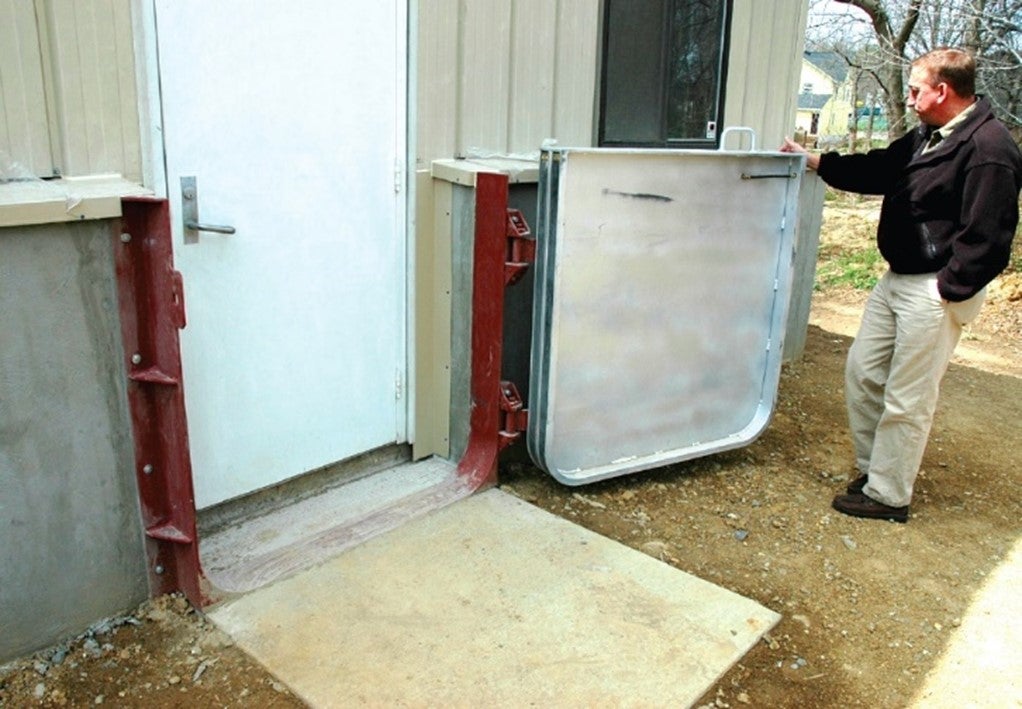
出典:Fundamentals of Resilient Design: Dry Floodproofing
5. Moderate- to low-risk flood areas are designated with the letters B, C, and X on FEMA flood maps. In these areas, the risk of being flooded is reduced, but not completely removed. One in three insurance claims come from moderate- to low-risk flood areas.
出典:https://www.floodsmart.gov/all-about-flood-maps
低・中程度の洪水リスク地域は、FEMAの洪水マップでB、C及びXの文字で指定されています。これらの地域は、浸水になるリスクは低いものの、完全にリスクがないわけではありません。保険請求の1/3はこれらの地域から申請されています。
designate「に指定する」。insurance claim「保険請求」。日本で苦情の意味で良く使われる“クレーム”は、英語ではcomplainを使います。英単語のclaimには「苦情」の意味がないことに注意しましょう。
6. High-risk flood areas begin with the letters A or V on FEMA flood maps. These areas face the highest risk of flooding. If you own a property in a high-risk zone and have a federally backed mortgage, you are required to purchase flood insurance as a condition of that loan.
出典:https://www.floodsmart.gov/all-about-flood-maps
洪水のリスクが高い地域は、FEMAの洪水マップでAとVの文字で地図上で示されています。これらの地域は、洪水リスクが最も高いため、もしこの地域に土地を所有し連邦政府による住宅ローン担保があれば、ローンの条件として保険を購入することが求められています。
federally「連邦政府による」。mortgage「抵当、ローン」。同義語は、日本語としても使う“住宅ローン”のloan。厳密にはmortgageは「抵当」のため、担保があるもの、loanは担保有無に関わらずローンの意味になります。
mudflow
A river of liquid and flowing mud on the surfaces of normally dry land areas, as when earth is carried by a current of water. Other earth movements, such as landslide, slope failure or a saturated soil mass moving by liquidity down a slope, are not mudflows.
出典:https://www.fema.gov/ht/node/404880
泥流
通常、乾燥した土壌地域の地表が液状化し泥となって流れることを意味し、土壌が水流によって運ばれるような時に発生します。液状化したものが斜面を滑るような地すべりや斜面の崩壊 、飽和土壌の塊は、泥流には含まれません。
landslide「地すべり」。slope failure「斜面の崩壊」。saturated soil mass「飽和土壌の塊」earthは。「土壌」。earthを「地球」の意味で使うときは、“the”が付くことに注意。